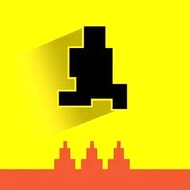
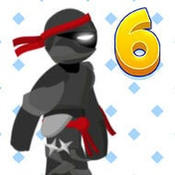
G-Switch 4 looks like a simple tap-to-flip runner but plays like a precision test that punishes reflex-tapping over rhythm. The character auto-sprints down a neon corridor, and one tap flips it between floor and ceiling. Spikes, gaps, and rotating cogs quickly stack into beat-timed patterns, separating players who read ahead from those who just react.
| Genre |
Gravity-flipping runner |
| Core Mechanic |
Tap to flip floor/ceiling |
| Modes |
Story, Endless, Survival, Time Trial, Multiplayer |
| Multiplayer |
Up to 8 players, local or networked |
| Extras |
Creator Mode, community levels |
Reading the Flip Before G-Switch 4 Speeds Up
Most beginners lose runs to one mistake: flipping on sight instead of matching the game’s rhythm. Spike clusters and cog placements are telegraphed a beat ahead, and tapping too early lands a player at the wrong moment. The fix isn’t faster reflexes — it’s slower eyes, scanning ahead of the closest hazard.
Speed climbs steadily as a run continues. Early sections leave room to correct a bad tap, but past the first checkpoint gaps tighten, cogs start rotating, and blocks drag speed down enough to desync every flip after.
Regulars recommend running Endless Mode for pattern recognition, not distance, since cog and gap patterns repeat even as their order gets scrambled.
What G-Switch 4 Adds Over the Earlier Runs
Earlier entries leaned almost entirely on endless dodging and local races, so longtime players quickly notice G-Switch 4 now has an actual Story Mode. Eight handcrafted levels build a loose narrative around the simulation, each introducing a mechanic before Endless Mode throws it back without warning.
Multiplayer remains the mode people talk about most: up to eight can race on one device, each on their own key, or race remote strangers instead of bots. The couch crowd cares more about chaos than precision, eliminating each other with badly timed flips.
Creator Mode and the community level browser round out the additions, letting players build and share tracks instead of only running dev-made ones. Whether story levels add depth or just pad time is debated, but even skeptics agree Creator Mode was worth it.
Cogs, Blocks, and the Obstacles That End a Run
The obstacle roster is short but the combinations aren’t: spikes on floor and ceiling, gaps to flip clean over, slowing blocks, and sharp cogs that end a run on contact. Cogs need no hard hit — brushing one is enough, which is why they get named directly in every rundown of a bad run.
Blocks are the obstacle beginners underrate most. They can’t kill outright, but clipping one bleeds off speed and desyncs the next flips, so a run often ends on the spike after the block, not the block itself.
Whatever pulls someone in — couch chaos, the Story Mode levels, or a longer Endless Mode run — G-Switch 4 rewards the same skill: reading the next cog rotation before your thumb moves.